NEAR Protocol
A layer-one blockchain secured by proof-of-stake. Validators stake NEAR to participate in producing and validating blocks.

What NEAR Protocol is, how accounts and fees work, and what that means each time you approve something.
Decentralised validation. Transparent execution. User-authorised actions.Open infrastructure. Connected accounts. A world of applications.
Your wallet prepares. Your account authorises. The network processes. The application updates its state.
Prepare the request, then authorise it with the account’s access keys.
Validators process the transaction and its resulting receipts.
The receiving contract or account updates its state.
The network maintains shared state. Your account holds the balances and permissions that determine what you can do.
A layer-one blockchain secured by proof-of-stake. Validators stake NEAR to participate in producing and validating blocks.
Named (alice.near) or implicit (64-char hex). Accounts can create sub-accounts (pay.alice.near) and hold multiple access keys with different permissions.
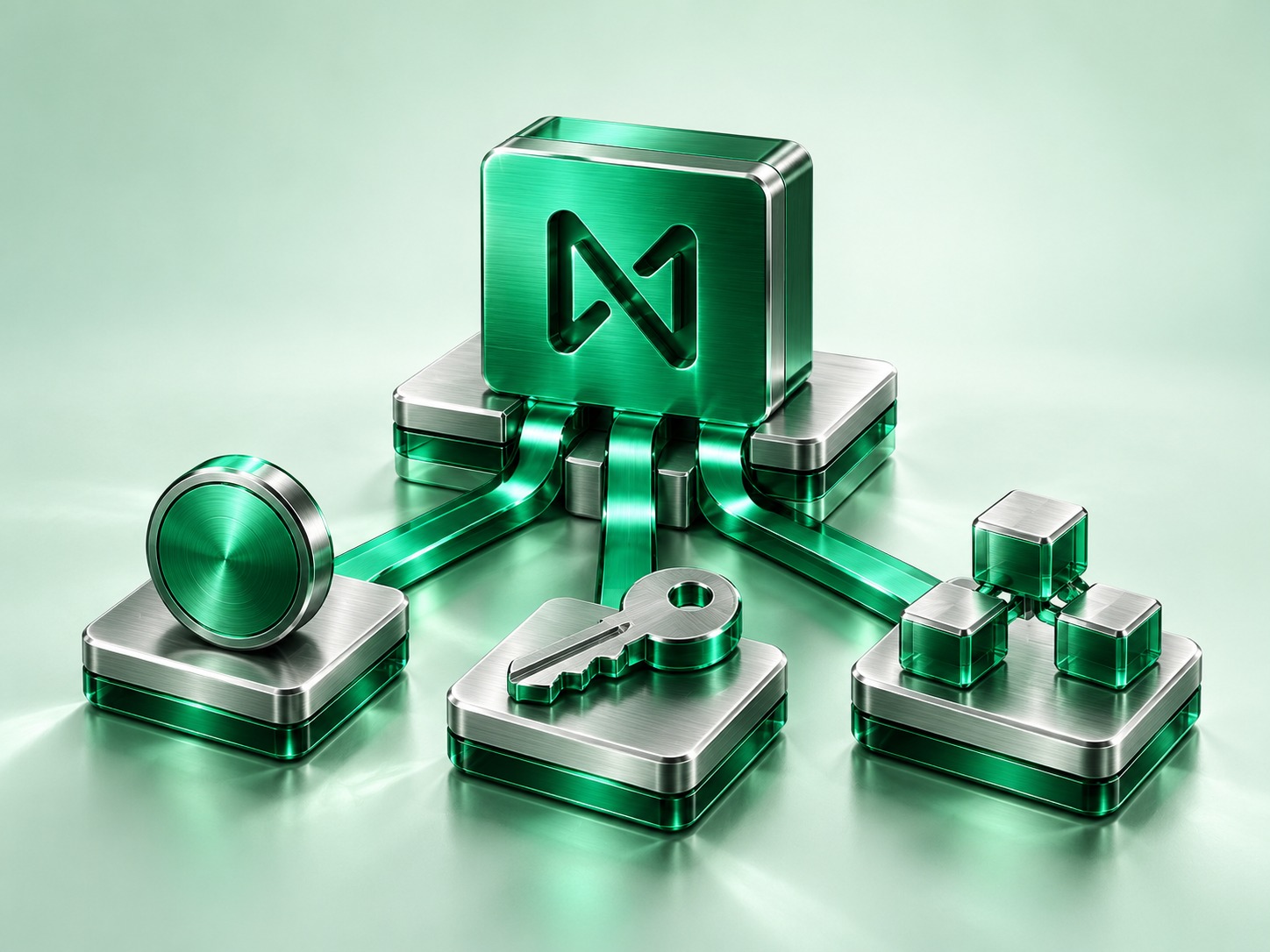
A token balance has context. Network activity and the space an account uses have different costs.
The native asset. It pays transaction fees, backs on-chain storage through storage staking, and is staked by validators and delegators.
Measured in gas and paid in NEAR. A share of fees from contract calls goes to the contract account — a built-in developer incentive.
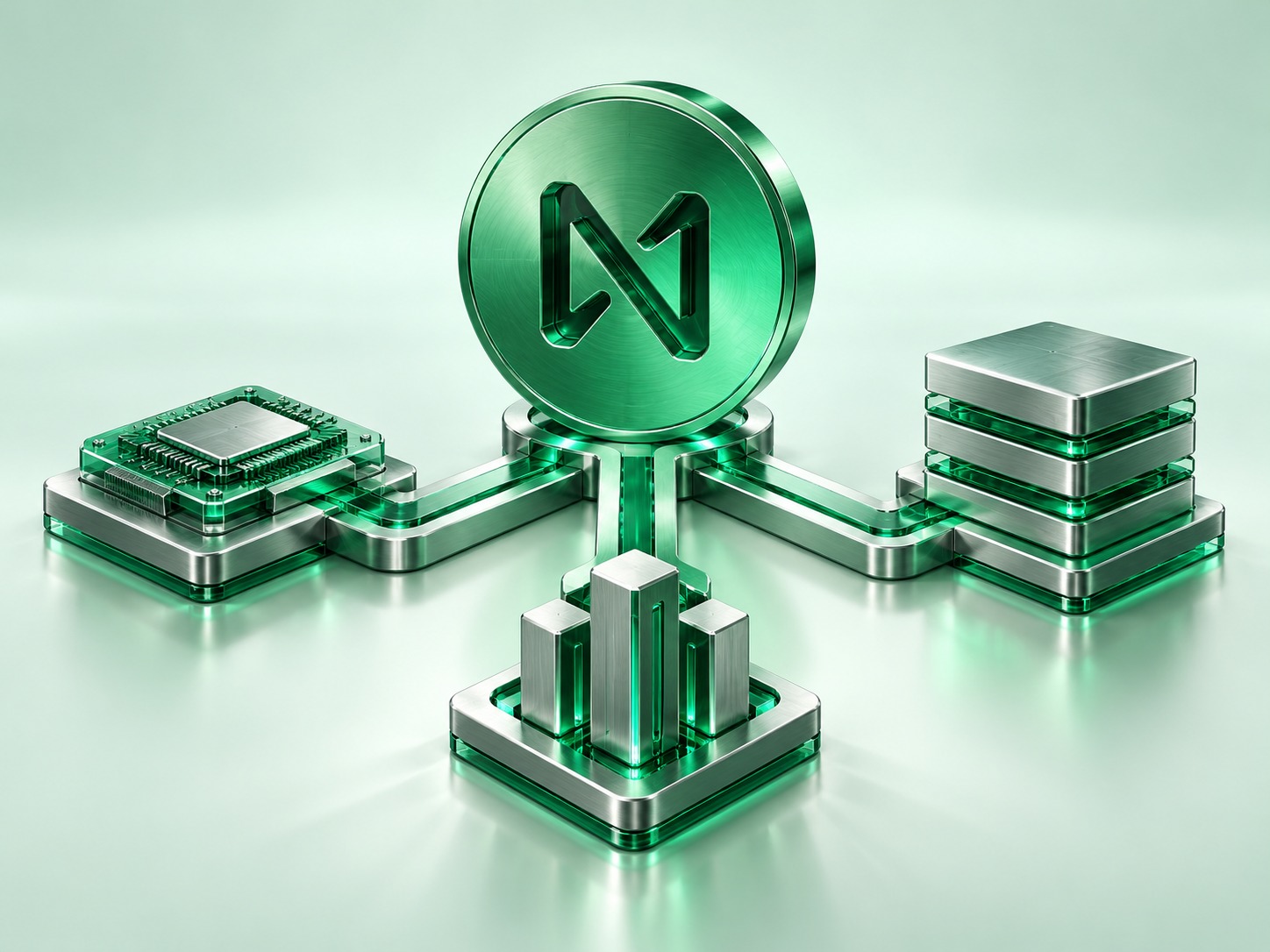
Applications run through contracts. Shards distribute the underlying work while the chain behaves as one.
Smart contracts compile to WebAssembly and live on accounts. An application is usually a contract plus an interface you interact with.
NEAR splits network state and processing into shards. Nightshade’s design lets capacity grow by adding shards while the chain behaves as one.

Mainnet and testnet can share account names. Read the network before you act.
Check every character before .near; for implicit accounts compare the first and last six characters at minimum.
A transfer moves tokens. A function call runs code. Adding a key grants access.
Once finalised, transfers cannot be reversed by the wallet, network or support.
NEAR uses storage staking. Accounts and contracts lock a portion of NEAR proportional to the data they store on-chain. It's released if that data is removed.
It's easier to read, which helps you spot mistakes, but it's not inherently safer. Look-alike names exist; always check every character.
A full-access key can do anything with an account, including transferring all funds. A function-call key can only call specific methods on a specific contract, within a gas allowance.
This site doesn't quote throughput or finality figures. For current network metrics, consult NEAR Protocol's own documentation and status sources, noting their date.